💎 What Makes a Gemstone Valuable
🪨 What It Is
Gemstones are naturally occurring minerals or organic materials that are cut and polished for use in jewelry. They captivate us with their stunning visual appeal and represent traditional symbols of wealth and beauty. The most sought-after gemstones include diamonds, rubies, sapphires, and emeralds, but there are many others cherished for their unique qualities.
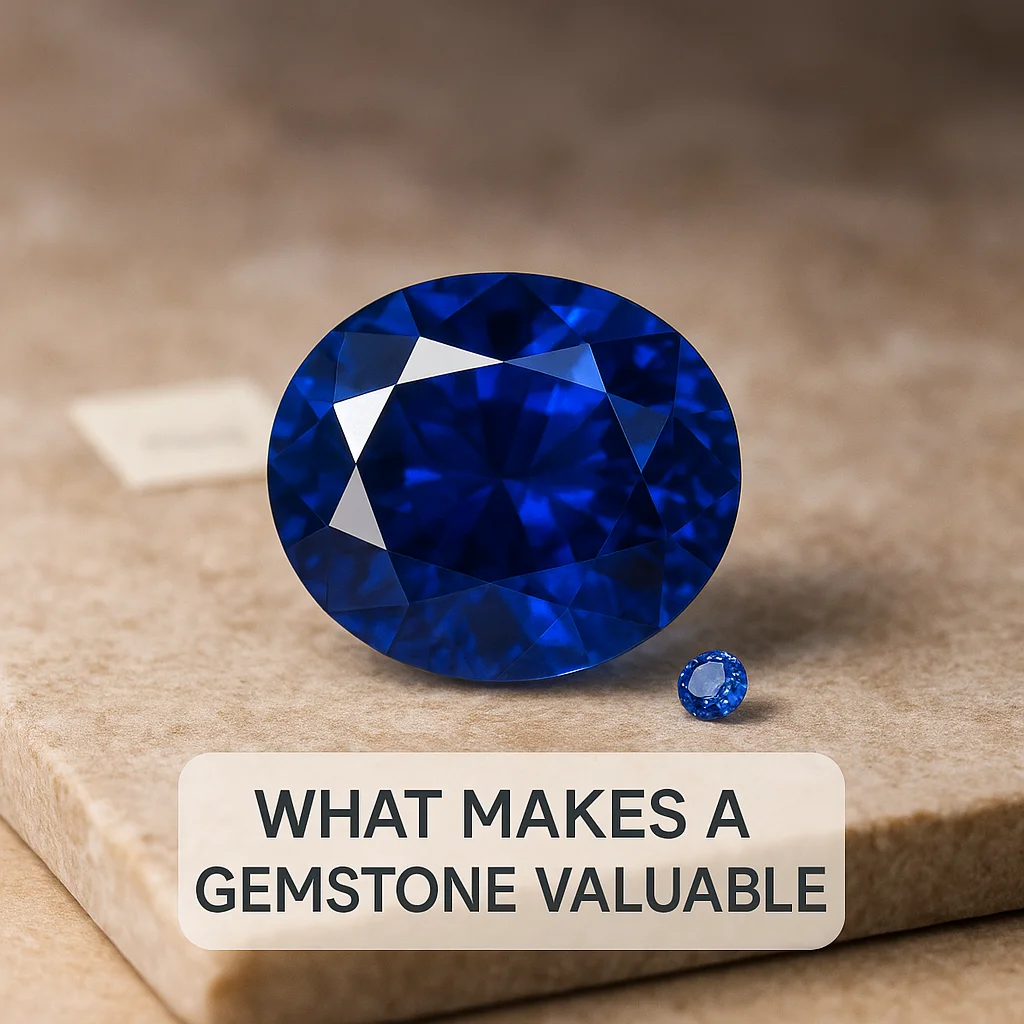
These enchanting stones can range from the mineral, such as quartz and beryl, to organic gems like pearls and amber. While minerals form most gemstones, some rise from the biosphere, like pearls from oysters. Each variety offers a distinct allure and origin story.
In this guide, you will learn what makes gemstones valuable through factors like appearance, properties, origin, and practical tips on care and purchase. This foundational knowledge will enable you to appreciate both traditional jewelry pieces and modern gemstone designs.
🌍 Where It Comes From
Gemstones form in a variety of geological environments. Often, they grow in the cavities of igneous rock, surfaces altered by heat and pressure or accumulated layers of sediments. The Earth’s processes, like volcanic activity and sedimentary deposition, play vital roles in their formation and discovery.
Many famous gemstones are tied to specific regions known for producing high-quality specimens. For example, rubies from Myanmar are esteemed for their deep color, while sapphires from Sri Lanka are celebrated for their clarity. However, gemstones are also mined in diverse areas across Africa, such as diamonds from Botswana and tanzanites from Tanzania.
The origin can influence a gemstone's market value, as certain areas are renowned for producing stones with superior qualities. It is important to consider the stone's provenance carefully when evaluating its worth, as some origins bring with them stories and reputations dating back centuries.
🔬 How It Forms
Gemstones often form over millions of years through various natural processes. Elements present in the Earth combine under intense heat and pressure to create crystals. For instance, diamonds form deep within the Earth's mantle and are brought to the surface through volcanic eruptions.
For colored gemstones, trace elements make all the difference. Chromium gives the vibrant red in rubies, while iron and titanium produce the blue in sapphires. These trace elements and the environmental conditions during mineral formation create the stunning hues that make gemstones so prized.
Understanding the formation of these gems reveals why each piece is unique. These natural wonders offer a glimpse into the Earth’s geological history, reflected in the diversity of hues and features they display.
🎨 Color and Look
The color of a gemstone is perhaps its most captivating feature. Variations in hue are largely influenced by trace elements present during formation. In some cases, structural defects known as "color centers" can also affect the color, which is famously observed in blue diamonds.
Several optical phenomena can enhance a gemstone's allure. Chatoyancy, or the cat's eye effect, creates a focused band of light across the stone, while asterism—like that seen in star sapphires—creates a star pattern. Play-of-color, iconic of opals, delivers a dazzling spectrum of color through tiny silica spheres within the stone.
Treatments such as heat, dye, and irradiation are sometimes used to enhance or modify color and clarity. While these methods can improve appearance, they may affect the stone's value and stability, making disclosure from sellers essential for informed purchases.
🧪 Properties That Matter
The physical properties of gemstones must be considered, given their impact on durability and use in jewelry. Mohs hardness measures scratch resistance, with diamonds ranking highest at 10. This trait makes diamonds ideal for daily wear in rings.
Toughness varies among stones, with jade noted for its ability to withstand breakage despite its moderate hardness. Cleavage, the tendency of a mineral to break along specific planes, can make stones like topaz and diamond susceptible to chipping if not properly set.
Luster and transparency influence a stone's brilliance and clarity, affecting its beauty and performance in different types of lighting. These properties help in determining the best settings for jewelry pieces, ensuring longevity and appeal.
✨ Meanings, Birthstones, and Culture
Throughout history, gemstones have been imbued with cultural significance and meaning. For example, rubies are traditionally associated with passion and protection. Such associations are deeply rooted in folklore and history rather than scientific evidence.
Modern traditions also feature gemstones as birthstones, symbolizing personal connection and identity. For instance, sapphire is the birthstone for September, noted for its association with wisdom and nobility. Despite these claims, gemological science doesn't confirm such effects, but they continue to enrich the cultural tapestry of jewelry.
Jewelry buying often carries these traditions into modern practices, with various gemstones often selected for symbolic reasons and special occasions, weaving personal stories into their inherent beauty.
🧼 Care and Cleaning
Caring for gemstones extends their life and maintains their appearance. Use warm soap and water for regular cleaning, and a soft cloth to polish them. Avoid harsh chemicals, which could damage the stone's surface or any treatments applied.
Some gemstones, like opals and pearls, are porous or softer and require gentler handling. It's best to avoid exposure to extreme temperatures or prolonged soaking. Storing them separately in a soft pouch can prevent scratches and contact with harder materials.
Understanding these care requirements helps preserve the stone's allure, ensuring it remains a treasured part of your jewelry collection for years to come.
🛒 Buying Tips and What to Check
Several factors influence the value of gemstones, including color, clarity, cut, carat weight, and origin. Rich, vivid colors generally garner higher prices, while inclusions—internal features or imperfections—may lower value if visible, though some inclusions can add unique character.
An essential aspect of buying gemstones is researching potential enhancements and asking sellers for full disclosure. Authenticity reports from reputable gemological laboratories can provide crucial verification of the stone's identity and treatments.
When purchasing gemstones online, examine detailed photos, verify the seller's reputation, and understand their return policy. A well-informed buyer makes choices that reflect both personal preference and sound investment.
⚠️ Real vs Fake and Common Look-Alikes
The gem market includes natural stones, synthetics, and imitations. Synthetic gemstones are lab-grown but chemically identical to their natural counterparts, whereas imitations might include glass, plastic, or composites that mimic the appearance without sharing the same physical properties.
Assembled stones, such as doublets and triplets, are created from pieces bonded together to achieve a gemstone-like appearance. Such constructions might combine layers of lesser stones with a thin layer of the desired gem.
While visual inspection can offer clues, distinguishing real from fake requires expert analysis. Professional testing using tools like spectrometers and microscopes can confirm a gemstone's authenticity, ensuring buyers receive what they pay for.
❓ Common Questions and Misconceptions
Is it a mineral or a rock? Most gemstones are minerals, but some like opals are considered mineraloids due to their amorphous structure.
Is it a birthstone? Yes, many gemstones are linked to birth months, such as garnet for January or amethyst for February.
Will it scratch easily? It depends on Mohs hardness; softer stones are more prone to scratches.
Can it go in water? Generally, yes, but prolonged exposure, especially for porous stones, is discouraged.
Does color fade in sunlight? Some stones, like amethyst, can fade; store them away from UV light for preservation.
What treatments are common? Heat treatment, dyeing, and irradiation are used to enhance color and clarity.
Is lab-grown 'fake'? No, they’re real but not naturally formed; they possess the same properties as natural gems.
How do I store it safely? Use soft pouches or separate compartments; avoid contact with other jewelry.
Do inclusions always lower value? Not always; some inclusions add distinctive beauty or assist in identification.
How do I pick a good one for jewelry? Consider personal style, durability needs based on wear conditions, and budget.
📌 Summary
- Gemstones are natural or organic pieces cut and polished for beauty.
- Typical colors range widely based on composition and treatments.
- Formation involves heat, pressure, and trace elements.
- Key wear properties include hardness, toughness, and transparency.
- Common treatments include heat and dye to enhance appearance.
- Clean gently with soap and water; store securely to avoid damage.
- Rings, pendants, and earrings are common uses depending on wearability.
- Look-alikes may appear similar but differ in composition and value.
- Professional testing distinguishes real from fake stones.
- Online buying requires checking seller credibility and return policies.
- Some gemstones serve as birthstones, loaded with tradition, not effects.
- Gemstones encapsulate history, beauty, and, most importantly, the Earth's wonders.